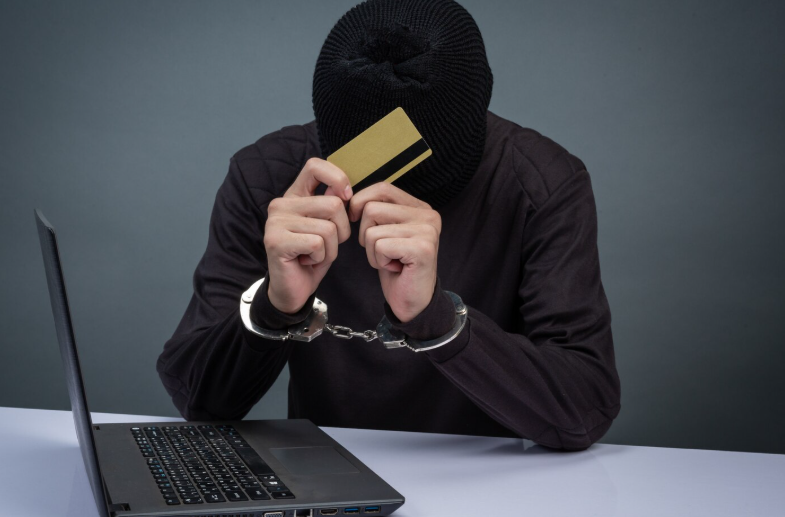
A Pune-based digital marketing company recently found itself at the centre of a cybercrime case that every business owner and marketer should pay close attention to. According to a police complaint lodged with Baner police, cybercrooks allegedly gained unauthorised access to the company’s social media advertising account and linked credit cards, running up fraudulent transactions worth Rs 16.17 lakh.
Table of Contents
What Happened
The company’s CEO reported the incident after noticing an unfamiliar advertisement running through the firm’s social media advertising account on August 17. The ad had no connection to the company’s own campaigns. When the team stopped it, the ad resumed shortly after, a clear sign that someone else had taken control of the account.
The complainant then tried to change the account password, only to discover access had already been locked out. This confirmed that an unidentified party had hijacked the account entirely. Investigators found that the attacker had funded the rogue advertisement using the company’s own credit cards, which were linked to the compromised account. Two unauthorised transactions were made on August 18, one for Rs 15.03 lakh and another for Rs 1.14 lakh.
The company blocked its cards and approached the police, who are now working with the bank to trace the transactions.
Why This Matters for Every Business
This case is not an isolated one. As more businesses rely on social media advertising to reach customers, advertising accounts have become an attractive target for cybercriminals. A compromised account does not just mean lost content or paused campaigns. When credit cards are linked directly to an ad account, hackers can spend real money in minutes, often before anyone notices something is wrong.
Small and mid-sized businesses are particularly vulnerable because they rarely have dedicated IT security teams monitoring account activity around the clock. A single weak password, an old admin who never lost access, or a phishing email clicked in a hurry can be enough to hand over control of an entire advertising ecosystem.
How Hackers Typically Gain Access
Understanding how these breaches happen is the first step toward preventing them. Common entry points include phishing emails or messages that mimic Meta, Google, or other platform notifications, weak or reused passwords across multiple accounts, third party apps and browser extensions granted excessive permissions, former employees or agencies who retain admin access after a contract ends, and malware that captures saved login credentials or session cookies from a browser.
Once inside, attackers often move fast. They add themselves as admins, remove the original owner’s access, and quietly run ads funded by the linked payment method until the card is blocked or the spend limit is reached.
How to Keep Your Social Media Accounts Secure
Enable Two Factor Authentication
Turn on two factor authentication for every social media and ad platform account. This adds a second verification step beyond the password and blocks most unauthorised login attempts, even if a password is stolen.
Use Strong, Unique Passwords
Avoid reusing passwords across platforms. A password manager can generate and store complex, unique credentials for each account, removing the temptation to use easy-to-guess combinations.
Audit Admin Access Regularly
Review who has admin or editor access to your business pages and ad accounts every few months. Remove access immediately when an employee, freelancer, or agency stops working with you.
Monitor Ad Activity and Spend
Set up alerts for unusual ad spend or new campaigns you did not authorise. Most platforms allow spend limits and activity notifications that can catch suspicious behaviour early.
Separate Payment Methods
Where possible, use a dedicated card with a lower limit for ad spend rather than linking a primary business credit card. This limits potential losses if the account is ever compromised.
Be Wary of Phishing Attempts
Never click on links in unsolicited emails or messages claiming to be from Meta, Google, or other platforms. Always log in directly through the official website or app rather than through a link.
Log Out of Unused Sessions
Regularly check active sessions and logged in devices on your business accounts and log out of any that look unfamiliar.
Educate Your Team
If multiple people manage your social media accounts, make sure everyone understands basic account hygiene, from spotting phishing attempts to reporting suspicious activity immediately.
The Bottom Line
The Pune case is a stark reminder that cybersecurity is not optional for businesses running social media advertising, regardless of size or industry. A single lapse in account security can lead to significant financial loss and reputational damage. Taking a few proactive steps today, from enabling two factor authentication to auditing admin access, can make the difference between a secure advertising account and a costly breach.
At Rightly Digital, secure account management is part of how we run every campaign, from admin access audits to spend monitoring and two factor authentication setup. If you want a second pair of eyes on how secure your social media and ad accounts really are, get in touch with our team for a quick account security check.

Odell Dias is the founder of RightlyDigital.com where Online Marketing concepts are made easy. He has over 10 years of experience in the Digital Marketing industry, helping brands and individuals alike to achieve their marketing goals. He is known as one of the best digital marketing freelancers for small-to-medium-sized businesses.